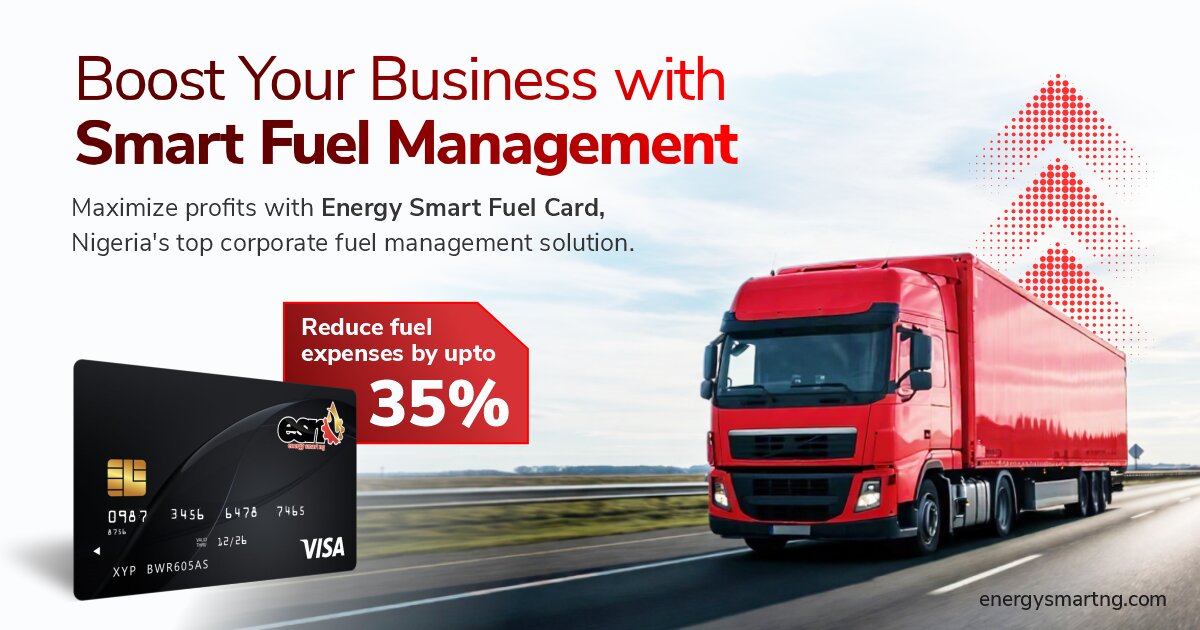
In today's fast-moving business environment, visibility is everything—especially when it comes to fuel management. For organizations running fleets or field operations, fuel costs are not just high; they are highly vulnerable to inefficiencies and misuse.
Without real-time tracking, businesses are often left reacting to problems after losses have already occurred. This is why real-time fuel tracking has become a critical tool for operational control and cost optimization.
What Is Real-Time Fuel Tracking?
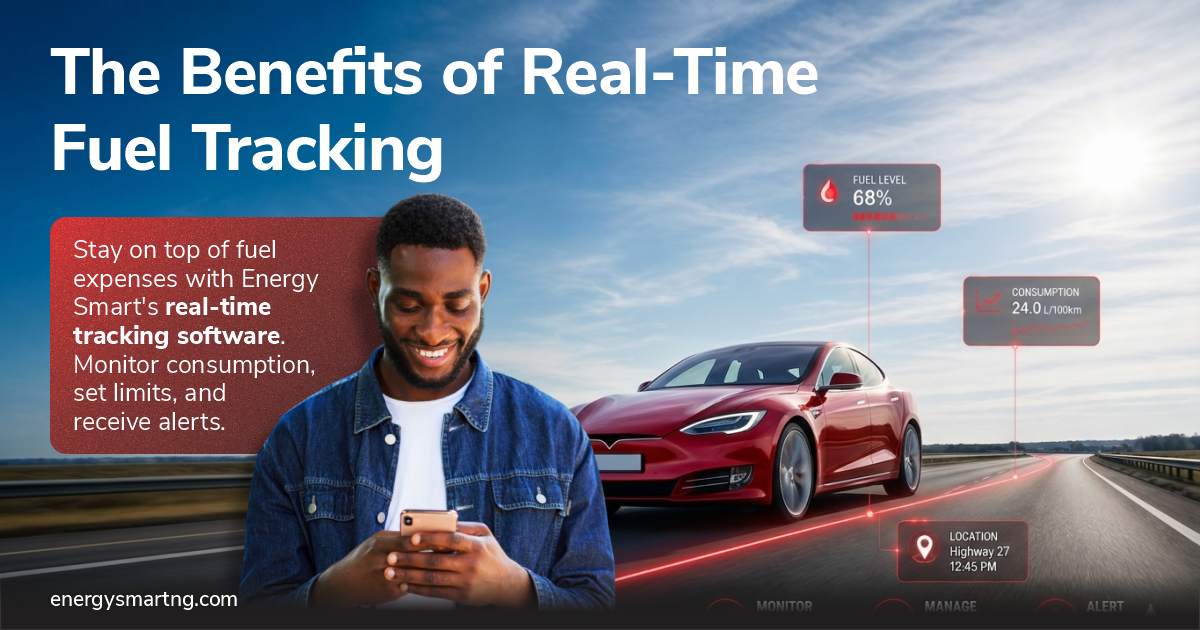
Real-time fuel tracking is a system that allows businesses to monitor fuel transactions, consumption, and vehicle activity instantly—providing live data as events happen, not after the fact.
With solutions like Energy Smart Fuel Card, organizations gain immediate access to fuel usage insights, transaction details, and performance metrics across their entire fleet.
Key Benefits of Real-Time Fuel Tracking
1. Complete Visibility and Control
Real-time tracking provides instant access to fuel transactions, including where, when, and how much fuel was purchased. This eliminates blind spots and gives managers full control over fuel expenses across all vehicles.
Energy Smart's platform delivers live dashboards showing fuel usage, mileage, and operational data—ensuring nothing goes unnoticed.
2. Immediate Detection of Fraud and Anomalies
With real-time alerts, suspicious activities—such as abnormal fuel volumes or inconsistent usage patterns—are flagged instantly. For example, systems can detect anomalies like excessive fuel purchases relative to distance covered, enabling quick intervention.
3. Smarter Decision-Making with Live Data
Access to real-time data transforms decision-making from reactive to proactive. Businesses can analyze consumption trends, monitor driver behavior, and adjust operations instantly. This leads to improved efficiency, better route planning, and reduced fuel waste.
4. Improved Cost Control and Efficiency
Fuel is one of the largest controllable expenses in fleet operations.
By continuously monitoring usage, businesses can identify inefficiencies such as excessive idling, poor routing, or unusual consumption patterns—leading to measurable cost savings.
5. Automated Reporting and Accountability
Manual fuel tracking systems are prone to errors, delays, and manipulation.
Real-time tracking platforms automatically generate accurate, cloud-based reports that provide a complete audit trail of all fuel activities. This enhances accountability and simplifies financial reporting.
Why Real-Time Tracking Is a Competitive Advantage
Across Nigeria's fuel management landscape, modern solutions are evolving toward real-time, data-driven systems. Energy Smart Fuel Card Solution goes further by combining:
- Real-time transaction alerts
- IoT-powered vehicle validation
- Advanced analytics and reporting
- Centralized control systems
This positions it as more than a tracking tool—it becomes a complete operational intelligence platform for fuel and fleet management.
Conclusion
In an industry where margins are tight and fuel costs continue to rise, real-time fuel tracking is no longer optional—it is essential.
With Energy Smart Fuel Card, you don't just monitor fuel—you gain real-time control over your entire operation.